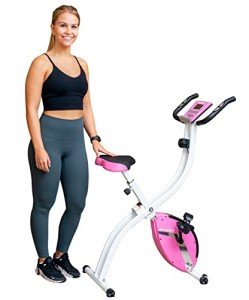
Pedaling Towards Fitness: A Guide to Stationary Bicycles For Sale
In an era where health and wellness are progressively prioritized, home fitness equipment has actually risen in appeal. Among the most reliable and accessible pieces of equipment are stationary bicycles. These flexible makers use a practical and impactful way to achieve fitness objectives, no matter climate condition or gym gain access to. If you're thinking about buying your health and are trying to find stationary bicycles for sale, this guide will offer you with necessary details to make a notified choice and find the perfect fit for your needs and aspirations.
Stationary bicycles, likewise known as stationary bicycle, have actually developed significantly from their early, basic styles. Today's market provides a diverse series of models, each catering to different fitness levels, choices, and budgets. From simple, affordable choices to modern, interactive devices, the options can be frustrating. Understanding the different types, benefits, and crucial factors to consider is crucial to guaranteeing you pick a stationary bike that will efficiently aid your fitness journey and end up being a valuable addition to your home.
Exploring the Landscape: Different Types of Stationary Bicycles
The world of stationary bikes is not monolithic. Numerous distinct types cater to different exercise styles and fitness goals. Acquainting yourself with these categories is the very first action in finding the ideal bike for you.
Here's a breakdown of the most common kinds of stationary bicycles you'll discover for sale:
- Upright Bikes: Resembling traditional road bikes, upright bikes position the rider in an upright posture. This type engages core muscles and mimics outside cycling successfully. They typically use up less flooring space and are often more cost effective than other types. Upright bikes are appropriate for basic fitness, calorie burning, and light to moderate strength exercises.
- Recumbent Bikes: These bikes are designed for comfort, including a reclined seat with back assistance and pedals placed in front of the rider. Recumbent bikes decrease tension on the joints, especially the back and knees, making them perfect for individuals with joint pain, movement problems, or those recovering from injuries. They offer a comfy, low-impact workout, ideal for longer durations and steady-state cardio.
- Spin Bikes (Indoor Cycling Bikes): Inspired by studio cycling classes, spin bikes are built for extreme, high-energy workouts. They include a much heavier flywheel, permitting greater resistance and a more practical road cycling feel. Spin bikes often have a forward-leaning posture, engaging more muscle groups and assisting in powerful, interval-based training. They are best for serious cyclists, those seeking high-intensity cardio, and people who enjoy challenging workout sessions.
- Dual-Action Bikes (Fan Bikes or Air Bikes): These bikes include moving handlebars that engage the arms and upper body in addition to the legs. Dual-action bikes utilize fan resistance, where the resistance increases with pedaling speed, providing a challenging full-body workout. They are outstanding for high-intensity period training (HIIT) and calorie burning, supplying an extensive cardiovascular and muscular workout.
- Hybrid Bikes: Some bikes blur the lines, offering functions of multiple classifications. For instance, some upright bikes may offer recumbent-like functions or vice versa. Understanding your main workout goals will help you determine if a hybrid bike appropriates.
Why Choose a Stationary Bicycle? Revealing the Benefits
Buying a stationary bicycle is an investment in your well-being. Buy Exercise Bikes Online extend beyond just physical fitness and add to a healthier, more well balanced way of life.
Here are some engaging factors why you should consider a stationary bicycle:
- Improved Cardiovascular Health: Stationary cycling is an excellent aerobic exercise that reinforces your heart and lungs. Routine usage can decrease blood pressure, reduce the risk of heart disease, and improve general cardiovascular function.
- Efficient Calorie Burning and Weight Management: Stationary bikes are extremely effective at burning calories. The strength and period of your exercises can be easily gotten used to align with your weight-loss or weight upkeep goals.
- Low-Impact Exercise: Unlike running or high-impact workouts, stationary cycling is mild on your joints. This makes it a suitable alternative for individuals of any ages and fitness levels, including those with joint pain or injuries.
- Convenience and Accessibility: Having a stationary bicycle at home gets rid of the need for gym commutes and allows you to exercise whenever it fits into your schedule, no matter the weather condition.
- Muscle Toning and Strengthening: While mainly a cardiovascular exercise, stationary cycling likewise reinforces your leg muscles, including quads, hamstrings, and calves, in addition to engaging your core and glutes.
- Psychological Well-being: Exercise, including stationary cycling, launches endorphins, which have mood-boosting impacts. It can help in reducing tension, stress and anxiety, and enhance general mental wellness.
- Trackable Progress: Many modern-day stationary bicycles included consoles that track metrics like time, distance, speed, calories burned, and heart rate, enabling you to monitor your progress and remain inspired.
Browsing the Purchase: Key Factors to Consider
Before you rush to purchase the very first stationary bicycle you see for sale, it's vital to think about numerous elements to ensure you select a bike that satisfies your particular needs and will be a beneficial financial investment.
Here's a list of crucial factors to consider:
- Budget: Stationary bikes differ commonly in cost. Identify your spending plan ahead of time and check out alternatives within your rate variety. Bear in mind that higher price doesn't always ensure much better quality, but buying a long lasting and reputable bike is usually a great long-term method.
- Type of Bike: As gone over earlier, different types of bikes cater to various requirements. Consider your fitness goals, physical condition, and chosen workout design to figure out which type of bike is most appropriate (upright, recumbent, spin, dual-action).
- Resistance Levels: The resistance system of the bike figures out the strength of your workout. Look for bikes with adjustable resistance levels, preferably providing a large range to accommodate your fitness progression and different workout intensities. Think about the kind of resistance: magnetic, friction, or air. Magnetic resistance is normally quieter and smoother.
- Functions and Technology: Modern stationary bikes can come with a variety of features, consisting of:
- Console Display: Shows workout metrics like time, speed, range, calories, heart rate.
- Pre-programmed Workouts: Offers variety and structured training sessions.
- Heart Rate Monitoring: Built-in or compatible with heart rate monitors for tracking strength.
- Connection: Bluetooth or Wi-Fi connection for app combination, virtual training programs, and entertainment.
- Convenience and Adjustability: Comfort is paramount for consistent use. Consider:
- Seat Adjustability: Ensure the seat is adjustable both vertically and horizontally to accommodate various body sizes.
- Handlebar Adjustability: Adjustable handlebars enable a comfortable riding posture.
- Pedal Design: Look for comfy and safe and secure pedals, possibly with straps to keep your feet in location.
- Size and Space: Consider the footprint of the bike and guarantee you have appropriate space in your house to accommodate it. If space is limited, try to find collapsible or compact models.
- Durability and Warranty: Investigate the build quality of the bike. Look for durable construction and trusted brands. Check the service warranty used, specifically on the frame and parts, to guarantee security against problems.
- Sound Level: Some bikes can be noisier than others, particularly fan bikes or those with friction resistance. If sound is a concern, select bikes with magnetic resistance or check out reviews regarding sound levels.
Where to Find Stationary Bicycles For Sale
As soon as you have a great idea of the kind of stationary bicycle you're looking for and the functions you require, the next step is to find where to acquire one.
Here are common locations to look for stationary bicycles for sale:
- Online Retailers: Websites like Amazon, fitness equipment sellers' sites, and department store websites offer a wide selection of stationary bicycles from numerous brands. Online shopping supplies benefit, price contrasts, and often customer reviews.
- Sporting Goods Stores: Physical stores like Dick's Sporting Goods, Academy Sports + Outdoors, and local sporting products shops frequently have a series of stationary bicycles on display screen. This enables you to see and in some cases experiment with the bikes before purchasing.
- Department Stores: Big box stores like Walmart and Target might carry affordable stationary bicycles, especially around fitness-related sales events.
- Specialized Fitness Equipment Stores: These stores focus on fitness equipment and typically use higher-end brands, professional guidance, and installation services.
- Utilized Equipment Marketplaces: Websites like Craigslist, Facebook Marketplace, and regional classifieds can be sources for used stationary bikes at possibly lower rates. Nevertheless, exercise caution when buying secondhand equipment and examine it completely before acquiring.
Tips for Finding a Good Deal
Buying a stationary bike is an investment. Here are some pointers to help you find a bargain:
- Shop Sales Events: Look for sales around vacations (like Black Friday, New Year's, or Memorial Day) or fitness-focused durations. Retailers frequently provide substantial discount rates during these times.
- Compare Prices: Don't opt for the very first deal you discover. Compare prices across various merchants and sites to guarantee you're getting the best offer.
- Consider Refurbished Models: Some retailers use reconditioned stationary bikes at lowered costs. These are usually bikes that have been returned or used as flooring designs but have actually been inspected and restored to working condition.
- Negotiate (In-Store): In physical stores, particularly smaller fitness equipment retailers, you may be able to work out the rate, particularly for flooring designs or older inventory.
- Explore Used Options: If you're on a tight spending plan, consider exploring the utilized market. You can discover properly maintained stationary bikes at considerably lower prices if you want to do some searching and inspect the equipment carefully.
Conclusion: Embark on Your Fitness Journey
Buying a stationary bicycle is a proactive step towards enhancing your health and well-being. By comprehending the various types of bikes offered, considering your specific needs and preferences, and thoroughly evaluating the elements described in this guide, you can with confidence navigate the market and find the best stationary bicycle for sale. Whether you are going for extreme cardio workouts, low-impact rehabilitation, or merely a convenient way to stay active in your home, a stationary bike can be an important and enduring addition to your fitness toolbox. So, begin exploring your options, discover the bike that motivates you, and get prepared to pedal your way to a healthier and fitter you!
Often Asked Questions (FAQs) about Stationary Bicycles
Q: Are stationary bicycles great for weight reduction?A: Yes, stationary bicycles are exceptional for weight-loss. They burn a substantial number of calories, especially during moderate to high-intensity exercises. Integrated with a healthy diet, regular stationary cycling can contribute successfully to weight reduction objectives.
Q: How long should I ride a stationary bicycle for a great workout?A: For basic fitness, aiming for at least 30 minutes of moderate-intensity cycling most days of the week is advised. For weight-loss or more extreme training, you might aim for longer periods or include interval training sessions.
Q: Is a stationary bicycle much better than running?A: "Better" is subjective and depends upon your goals and preferences. Running is greater impact and burns more calories per hour, while stationary cycling is lower impact and gentler on joints. Stationary bikes are an excellent alternative for those seeking low-impact cardio, while running can be chosen for higher strength and outdoor satisfaction.
Q: Can I use a stationary bicycle every day?A: Yes, you can utilize a stationary bike every day, especially for moderate-intensity exercises. Nevertheless, listen to your body and include rest days if required, especially after intense sessions.
Q: What muscles do stationary bikes work?A: Stationary bikes primarily work your leg muscles, consisting of quadriceps, hamstrings, calves, and glutes. They also engage your core muscles for stability. Dual-action bikes in addition work your arm and shoulder muscles.
Q: How do I keep my stationary bike?A: Regular upkeep includes wiping down the bike after each usage, oiling moving parts periodically (as per manufacturer instructions), checking and tightening bolts, and examining for wear and tear. Refer to your bike's handbook for particular upkeep standards.
Q: What is the distinction between magnetic and friction resistance on stationary bikes?A: Magnetic resistance utilizes magnets to develop resistance, resulting in smoother, quieter, and typically more consistent resistance. Friction resistance utilizes pads that rub against the flywheel to produce resistance, which can be noisier and may need pad replacement with time. Magnetic resistance is normally chosen for its smoother and quieter operation.